

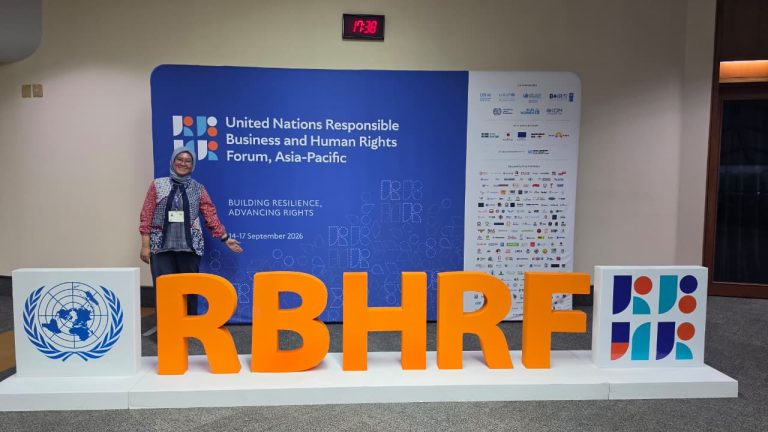
Atika Yuanita Paraswaty
Chairperson of SUAKA
Resilience Should Not Replace Responsibility
Digital Democracy Initiative (DDI) and its Re-D Fund microgrant, we are also working with Indonesian migrant workers (PMI), developing digital safety training for both PMI and refugees. Although their legal situations are different, both groups cross borders and increasingly depend on digital spaces in their daily lives.
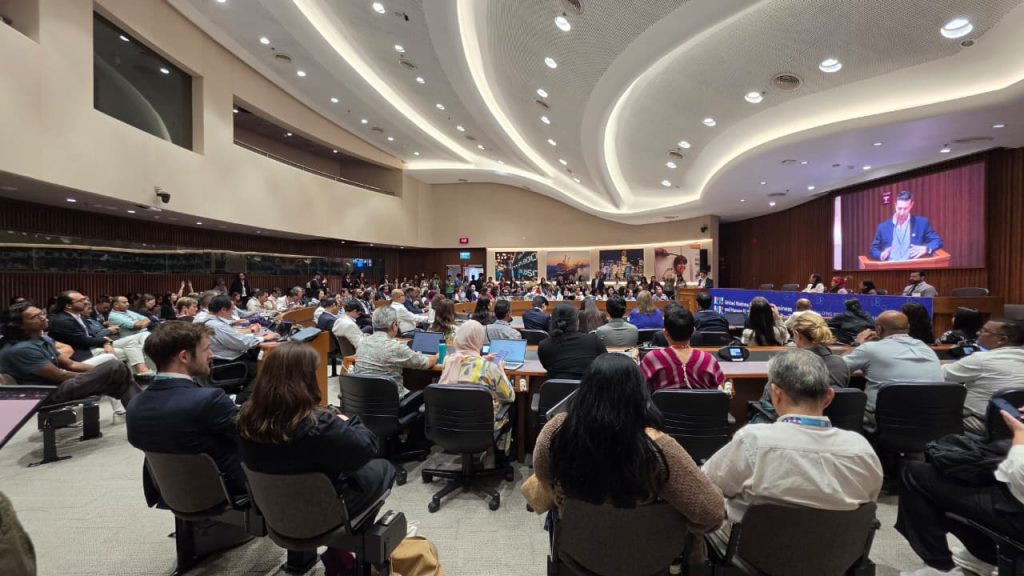
This connection was on my mind when DDI partners were supported to attend the UN Responsible Business and Human Rights Forum in Bangkok. I went with one question: what does business and human rights (BHR) have to do with refugees in Indonesia?
The question matters because refugees in Indonesia cannot work or earn a living here. They are also not yet recognised as economic actors or as people who can contribute to development. To be honest, BHR was not a lens I had previously used to think about the context of refugees in Indonesia. So, I spent much of the forum listening. I came away with a few reflections that I did not expect.
“Resilience must never become a burden placed on those who already bear the brunt of human rights harms.”
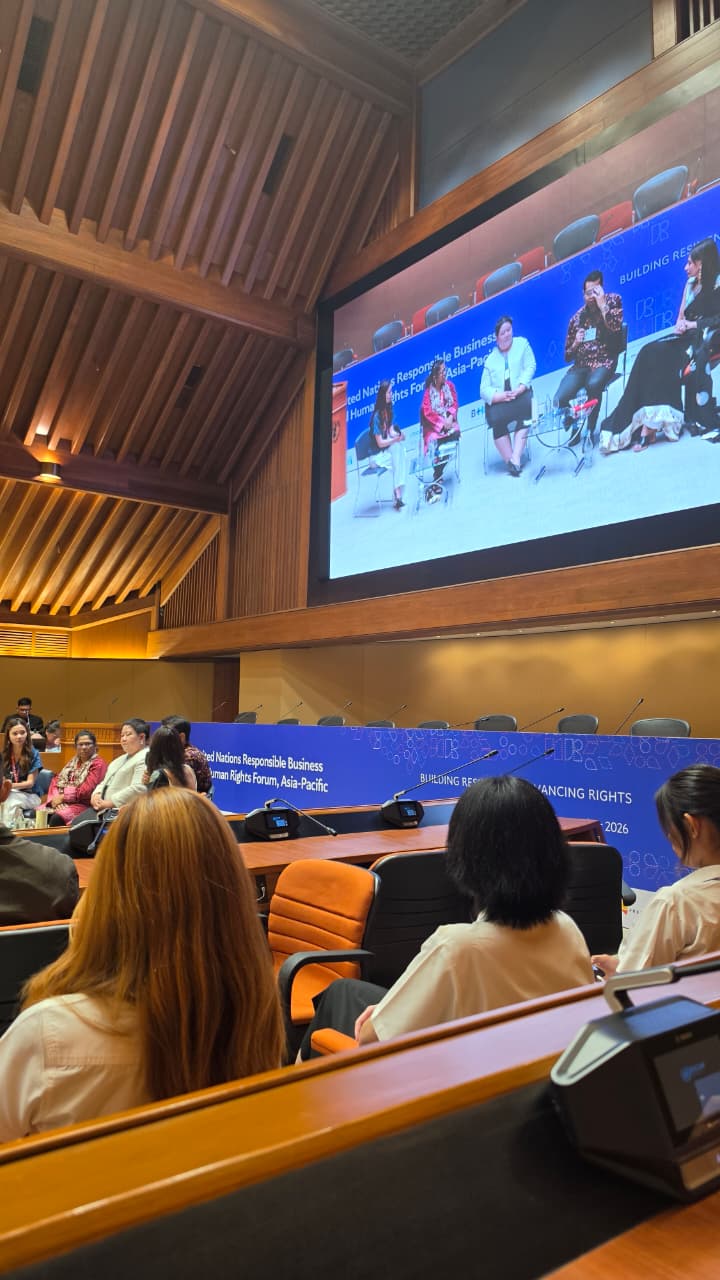
One was about resilience. A statement from the forum stayed with me: “Resilience must never become a burden placed on those who already bear the brunt of human rights harms.” It made me think about how often refugees are described through their ability to survive and adapt. In Indonesia, refugees navigate long waiting periods, restrictions on work, limited access to services, and uncertainty about their future. Their resilience is real, but it should not become a reason to accept these conditions as normal. Resilience should not replace responsibility. Institutions also have a responsibility to reduce the barriers that make people vulnerable.
Another lesson came from discussions about workers and communities. One speaker noted that solutions do not always reflect the lived realities of the people most affected, and that those people are often missing from conversations about the problems being addressed. This felt very relevant to refugee protection. Refugees are often the subject of policies and programmes, but do not always have enough space to shape the decisions that affect their lives. Meaningful inclusion has to go beyond providing services. It also means listening to refugees as rights holders and recognising the knowledge that comes from their own experiences.
The discussions on work also made me think about what happens if refugees are eventually allowed to work in Indonesia. The question should not only be whether they can work, but under what conditions. If protections are not ready, refugees may be exposed to low wages, exploitation, or other forms of abuse. We can start understanding these risks now rather than waiting for a policy change.
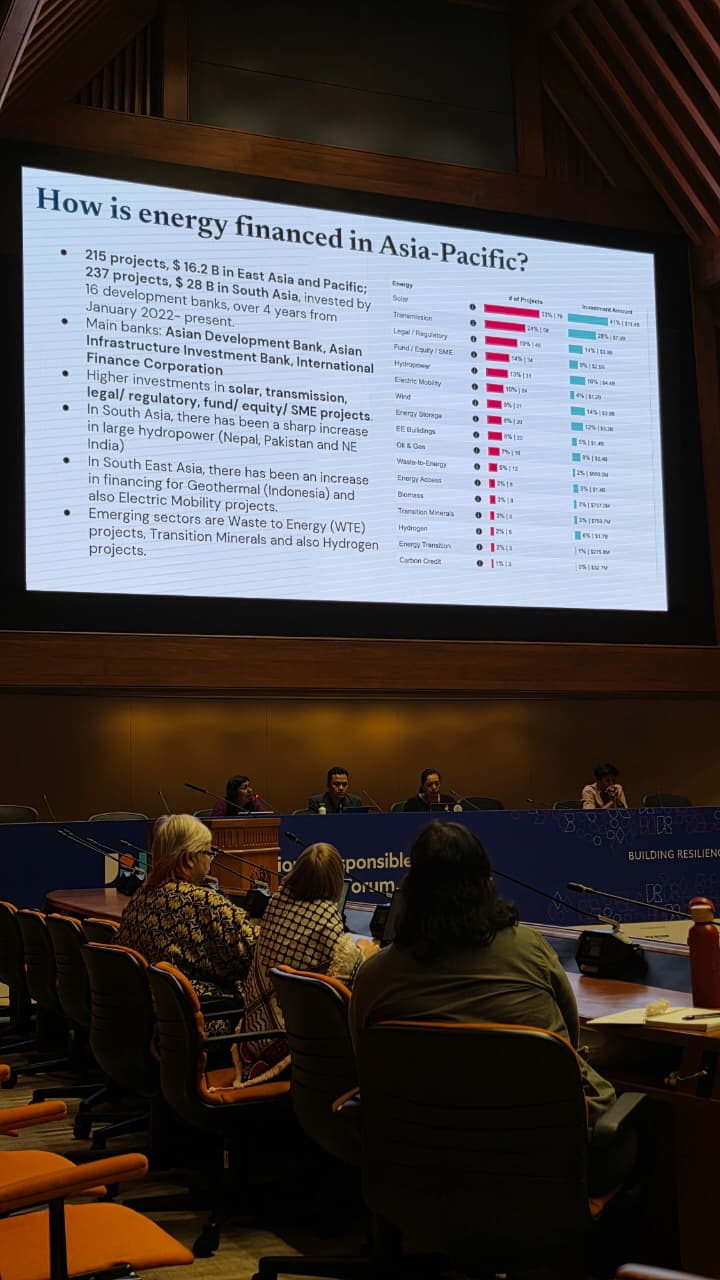
The digital discussions brought another layer. For refugees who cannot legally work and may have limited access to formal skills programmes, online spaces can become an important way to learn, connect and look for opportunities. At the same time, these spaces can expose them to scams, harassment and gender-based violence. This makes our digital safety work also about livelihoods, dignity and protection.
The forum reminded me that refugee issues do not exist separately from labour, gender, digital rights or environmental concerns. I returned with more questions than answers, but also with a wider view of where refugee protection belongs in the BHR conversation.
I hope DDI can continue bringing its partners together to share knowledge and experiences across these different areas. The diversity of DDI partners is an opportunity to see these issues as interconnected rather than separate. Their work may not focus on refugees, but some of the risks they address are also experienced by refugee communities. For SUAKA, learning from these approaches and sharing what we see from refugee communities could help identify opportunities for collaboration. I do not know yet what those collaborations might look like, but I see value in continuing the conversation.
This article is part of the DDI at 2026 UN Responsible Business and Human Rights (UN RBHR) Forum Asia-Pacific series.