

Faizal Akbar
Project Coordinator at the Centre of Empowerment and Social Studies (CESS)
Why Indonesia Needs Mandatory Human Rights Due Diligence
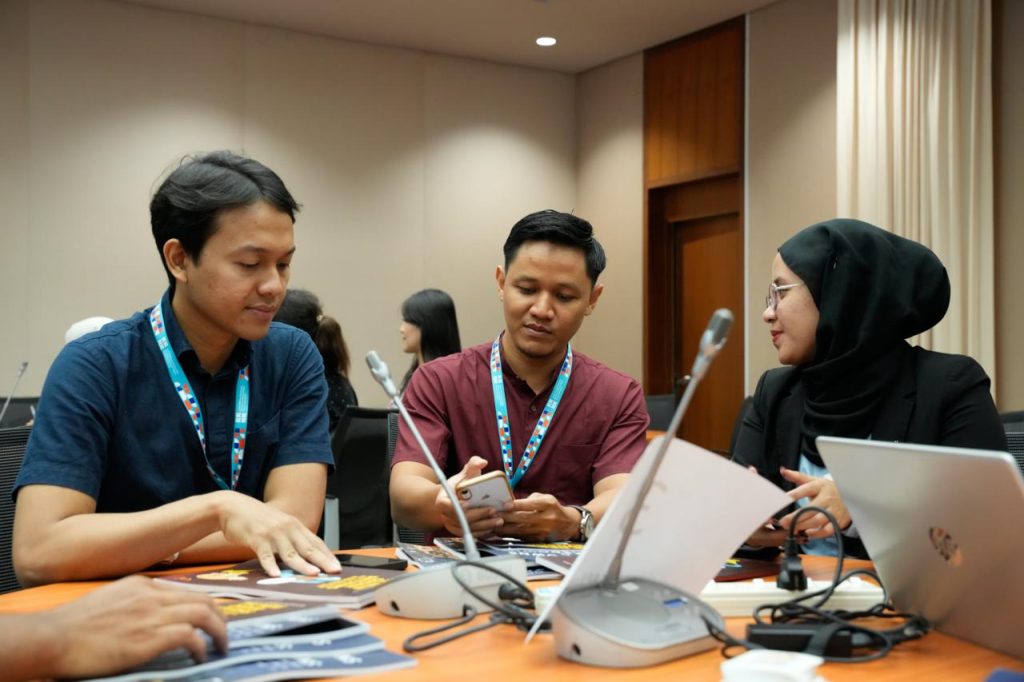
I attended the 2026 UN Responsible Business and Human Rights Forum in Bangkok on behalf of the Centre for Empowerment and Social Studies (CESS) in Palangkaraya, a TIFA Foundation partner, with support from CIVICUS.
Before I arrived, I reviewed the issues and sessions. I hope to gain experience and ideas I could bring back to my work in Central Kalimantan and to find partners and skills for evidence-based advocacy.
I had two questions: how other countries incorporate human rights into their business practices and how the state can make companies do so. To us, these questions are not merely theoretical. In Central Kalimantan, ‘peatlands’ are drying out as palm oil expands, and fires are spreading throughout the province. Frequent instances of human rights violations are linked to business operations, but accountability is rarely seen.
The biggest lesson I learned is that voluntary guidelines are not enough to change how companies act.
Learning from other countries
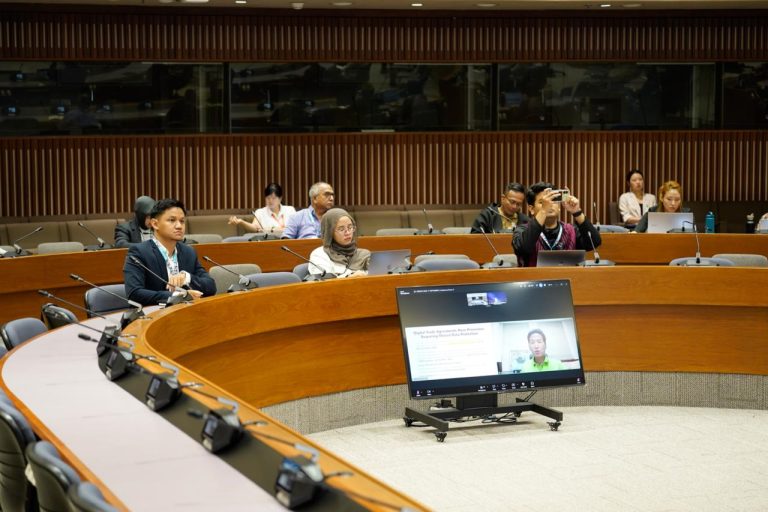
In my first session, we had a closed-group discussion about mandatory human rights due diligence (mHRDD), with reference to South Korea and Europe. Soon afterwards, I realised the gap: while these jurisdictions are considering how to make due diligence enforceable, Indonesia still has to go beyond its voluntary commitments. The biggest lesson I learned is that voluntary guidelines are not enough to change how companies act. Due diligence works only when legal rules, enforcement, and strong involvement from affected communities are in place. In Indonesia, though, basic human rights are still not well protected.
On the last day, I attended the DDI session forum entitled “Platform Power, Consumer Rights, and Corporate Accountability in Asia-Pacific: Advancing the UNGPs in the digital economy”, where I learned about platform policy and the way state actors in other countries safeguard consumer rights. I took detailed notes and then searched for individuals involved in similar campaigns.
Indonesia has a Personal Data Protection Law, but data trading and theft still happen often because the law is not strongly enforced. South Korea shows how pushing platforms to set and follow strict protection standards can help.
Networks and following steps
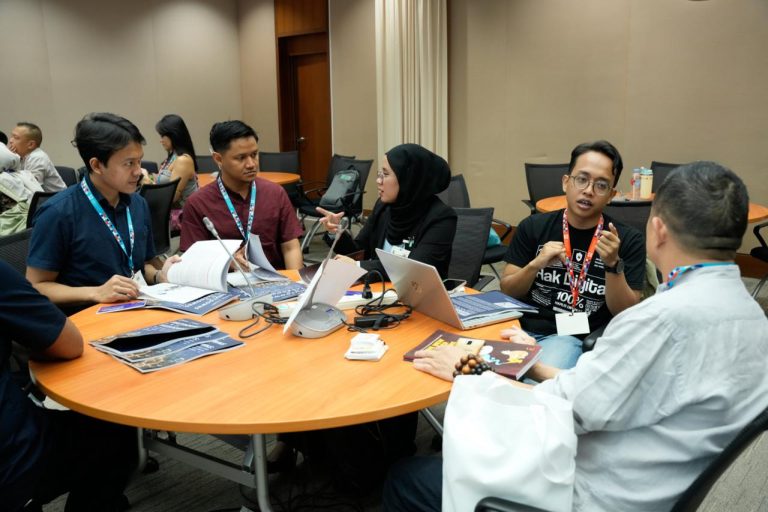
For almost four days, I attended all available events and participated actively. The forums were interesting and helped broaden my perspective. At the B+HR Asia Exchange Café: Learning and Practice, I met practitioners from Thailand, the Philippines, and Nepal who explained how they promote human rights in business settings. As a result, I made several new contacts and intend to use these connections in my area.
For some of these contacts, I am building on relationships I already have; for others, they are completely new. A specific next step is to set up a regional learning exchange for Southeast Asia and a network of civil society organisations focused on the environment, indigenous peoples, and capacity building.
How this support strengthens our work
I learned directly from people working in the field and built new relationships. Thanks to a microgrant from the Re-D Fund, CESS can now apply these lessons, especially in the Digital Democracy Initiatives (DDI) programme. This connects what we learned internationally to real changes in Central Kalimantan. One idea I want to bring back is to help local civil society push businesses to respect human rights and encourage authorities to create new regulations through policy briefs.
I will return to CESS with the knowledge and contacts I have acquired, expanding our outlook and introducing new ideas into our programmes. Since human rights issues will always be relevant, genuine problems on the ground will always require our attention.
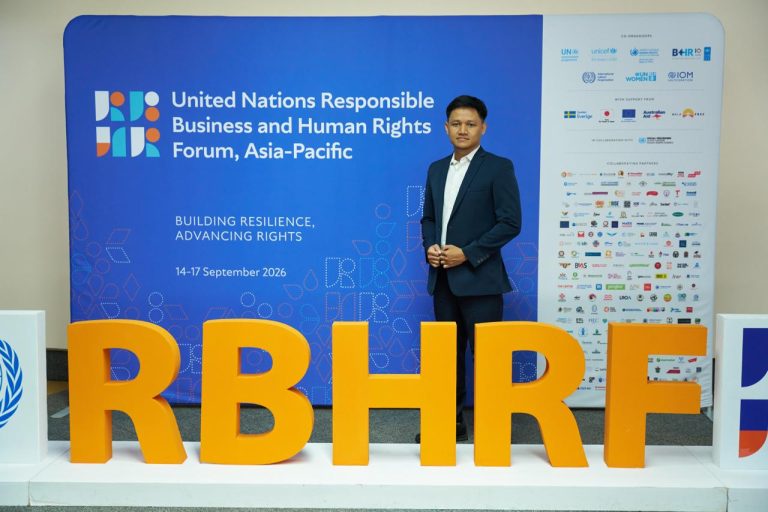
This article is part of the DDI at 2026 UN Responsible Business and Human Rights (UN RBHR) Forum Asia-Pacific series.