
The energy transition in Indonesia is positioned as a national strategic agenda aimed at reducing carbon emissions, decreasing reliance on fossil fuels, and fulfilling global climate commitments. Rather than serving as an inclusive solution, these various projects actually pose risks to specific groups. A study on the vulnerability of energy transition projects in six regions shows that the energy transition—through power plants using energy sources other than coal—has, in fact, created new problems.
The risks of land loss, water and air pollution, ecosystem degradation, evictions, and social conflict are recurring patterns in various locations. The burden of these impacts is not distributed evenly; rather, it is concentrated among specific groups that have little bargaining power, limited access to decision-making, and a high degree of dependence on natural resources and the environment.
This study employs a descriptive qualitative approach through comparative case studies in six regions. Primary data was collected through direct field observations and guided interviews using a qualitative questionnaire to ensure the depth of information in the six regions (Central Java, Central Sulawesi, South Sulawesi, North Sumatra, South Sumatra, and North Kalimantan). Data was gathered through a review of government policy documents, reports, academic studies, civil society organization publications, and relevant media coverage.
This study identifies the impacts of energy transition projects and the groups most affected by them, as well as the patterns of distributive injustice that have emerged. Meanwhile, communities living near the projects have not yet received direct benefits from the power plants. Instead of receiving benefits, they continue to suffer the impacts of declining livelihoods, environmental disruption, and health issues. This situation is consistent with the findings of the study, which show that energy transition projects in six regions tend to be built on the living spaces of communities that depend directly on local ecosystems.
This study identified several groups as the most vulnerable, including indigenous communities, specific age and gender groups (women, children, and the elderly), and worker groups (fishermen, farmers, livestock farmers, waste pickers, and power plant workers at the project site).
- In North Kalimantan, the Kayan and Mentarang Induk hydroelectric power plants are threatening to displace the Dayak Indigenous People from their ancestral villages, such as Long Pelban and Long Lejuh. Formal workers at the Kayan hydroelectric power plant have reported substandard working conditions, a lack of health insurance, and extreme working hours that extend into the early hours of the morning.
- In Central Sulawesi, the Poso Hydroelectric Power Plant has caused the Indigenous Community of Lake Poso to suffer damage to cultural sites and the loss of fishing traditions such as Waya Masapi and Pasar Sogili due to river dredging. Livestock farmers suffered losses in the form of 94 buffalo deaths in Tokilo Village because grazing lands were flooded as a result of the Poso Hydroelectric Power Plant’s trial operations. The compensation provided for the flooding was inadequate, and the community faced intimidation for their efforts to demand compensation. Traditional fishermen have been severely impacted, particularly on Lake Poso, with catches dropping drastically from tens to hundreds of kilograms to just around 5 kg per night due to changes in the lake’s water quality. Indigenous women have had to bear a heavier domestic workload due to receding water levels caused by the dam project.
- In North Sumatra, the Sorik Marapi geothermal power plant has caused the deaths of adults and children due to gas leaks and negligence in securing the water retention pond. Gas leaks accompanied by hot mud eruptions have contaminated the water and land, rendering them unsuitable for cultivation. The company’s waste discharge has polluted the water, leading to crop failures and changes in the productive lifespan of residents’ plantations.
- In South Sumatra, the Rantau Dedap geothermal power plant has caused direct losses to local agriculture. Dust from the project’s heavy vehicles settles on coffee blossoms, causing them to fall off and reducing crop yields by up to 40%. The Rantau Dedap Geothermal Power Plant has caused the Semendo Indigenous Community to experience drought due to the reduced flow of the river, which is crucial for irrigation and domestic needs. Communities that rely on micro-hydro power from the Endikat River are affected by the river’s unstable flow, resulting in an unstable electricity supply.
- In Central Java, the Dieng Geothermal Power Plant caused an explosion that resulted in injuries to workers and economic losses for the community due to land damage. An H2S gas leak at the Dieng Geothermal Power Plant caused fatalities and contaminated residents’ water and soil. This leak led to pollution levels exceeding safe limits. Residents, in their struggle to defend their rights and oppose the geothermal power plant, faced physical violence from authorities. This situation was not documented by JETP in its progress report regarding the Dieng Geothermal Power Plant.
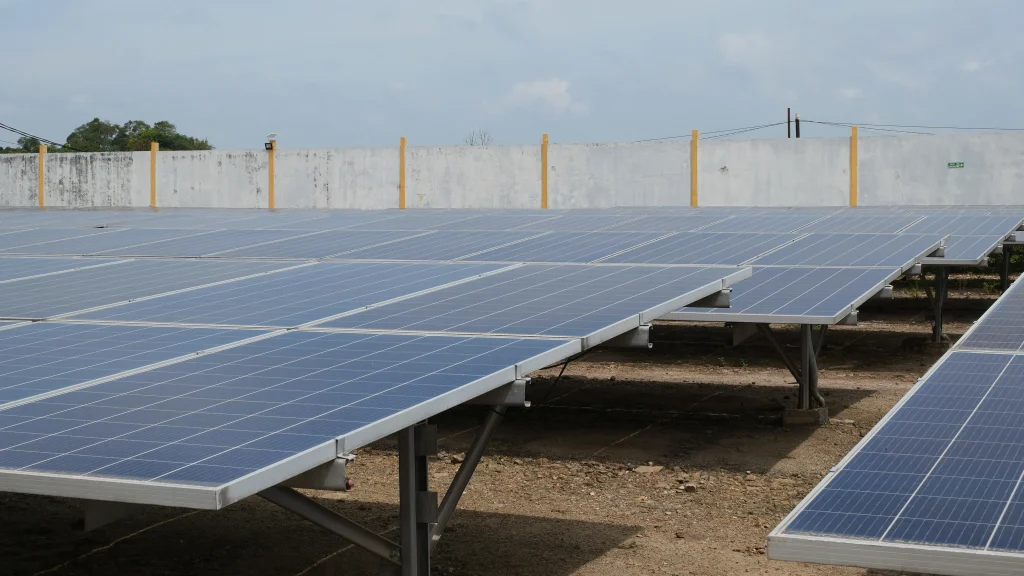
- In South Sulawesi, the Tamalanrea Solar Power Plant Project could potentially eliminate the informal livelihoods of thousands of waste pickers. The healthy living environment of thousands of residents and students is at risk because the solar power plant is located just 100 meters from villages and schools.
This study concludes that energy transition projects in Indonesia, while intended to deliver clean energy, simultaneously create multiple interrelated vulnerabilities: the loss of natural resources as living spaces triggers economic vulnerability; natural resource and environmental crises worsen health conditions; and social marginalization weakens communities’ ability to participate and protect themselves from various life-threatening risks. To address this situation and ensure a just energy transition, the JETP and the JETP Secretariat must integrate concrete social and environmental protection indicators into the Comprehensive Investment and Policy Plan (CIPP), where project success is measured by the absence of forced evictions and full respect for the rights of indigenous communities. This must be reinforced by establishing an independent monitoring team to verify actual socio-ecological conditions on the ground and conduct comprehensive audits to ensure there is no physical violence or intimidation against environmental defenders. In line with this, the Government of Indonesia and the JETP are obligated to apply the principle of Free, Prior, and Informed Consent (FPIC) at every stage of the project to protect communities’ living spaces. The government must ensure a fair and sustainable compensation scheme for long-term livelihood recovery, develop specific protection protocols for women, children, and people with disabilities regarding access to clean water and specific health services, and cease all forms of intimidation by authorities to ensure protection for residents fighting for their rights.